
Do You Need An Architect For A Home Extension?

Updated: Aug 11
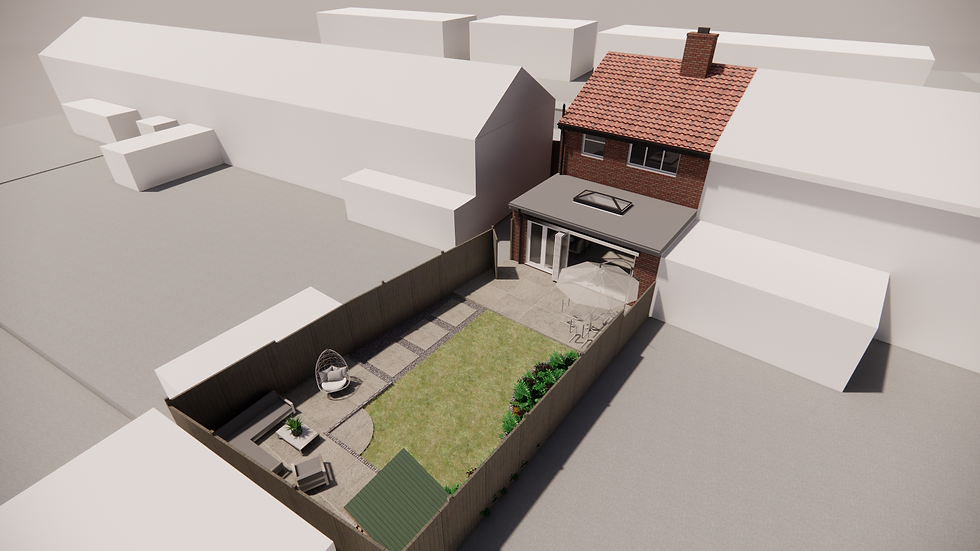
If you're planning a home extension, one of the first questions that comes up is: "Do I need an architect?"
It's a fair question, but for most residential projects, the answer is simpler than you might expect.
In most cases, you don't need a Chartered Architect.
Why This Question Comes Up
The term architect is often used as a catch-all, so it's easy to assume every building project requires one. In reality, most home extensions are not complex architectural builds, they're practical projects that need to work within planning rules and existing homes.
What matters most is not the job title, but whether your project can be properly designed, approved, and built.
What You Actually Need for a Home Extension
For most homeowners, the priority is simple... a design that works, meets planning requirements, and can be built without unnecessary complications.
An Architectural Technician focuses on exactly that. Rather than high-level conceptual design, the role centres around planning, technical drawings, and ensuring your extension is ready for approval and construction.
This typically includes:
Designing layouts tailored to your home and lifestyle
Preparing planning drawings and building regulation drawings
Understanding local planning policies and constraints
Guiding your project from concept through to approval
This practical approach is often the most efficient and cost-effective route for residential extensions.
When Do You Need a Chartered Architect?
There are situations where a Chartered Architect is the right choice, particularly for larger or more complex projects.
For example:
High-end or highly bespoke design-led homes
Large-scale developments or multi-unit projects
Commercial buildings or unusual structures
For these types of builds, architectural design is central to the project. However, for the vast majority of home extensions, this level of complexity simply isn't required.
Planning Permission Is What Really Matters
One of the biggest factors in any home extension is whether it will gain planning permission.
A well-designed extension still needs to align with local planning policies. Without that, approval becomes difficult — regardless of who designed it.
That's why a planning-led approach is so important. It ensures your design balances what you want with what local planning officers are likely to approve.
At Jagma, we focus on creating designs that are both practical and compliant from the outset.
A Simpler, Structured Approach
For many homeowners, the process can feel overwhelming at first. The key is having a clear structure that removes uncertainty and keeps everything moving forward.
Our approach is based on a simple two-stage process covering planning, detailed design, and preparation for construction. This keeps your project organised and ensures nothing is overlooked along the way.
So, Do You Need an Architect?
For most home extensions, the answer is no.
What you really need is someone who can:
Design a practical extension that works for your home
Navigate planning permission successfully
Produce clear, build-ready drawings
Guide you through the process with confidence
Because ultimately, the goal isn't just to design something, it's to get it approved and built successfully.
Thinking About a Home Extension?
If you're considering a home extension and want to understand what's possible for your property, we'd be happy to help.
We specialise in planning and design for residential extensions, helping homeowners move forward with clarity, confidence, and a structured approach from day one.


Comments